
Gym Layout Optimization: Design Your Space for Better Member Flow and Experience

Introduction: Why Your Gym Layout Matters More Than You Think
Your gym's layout isn't just about fitting equipment into available space—it's a silent communicator that shapes member behavior, influences satisfaction, and determines operational efficiency. A poorly designed layout can create bottlenecks, increase perceived crowding, and contribute to member frustration even when the gym isn't technically full.
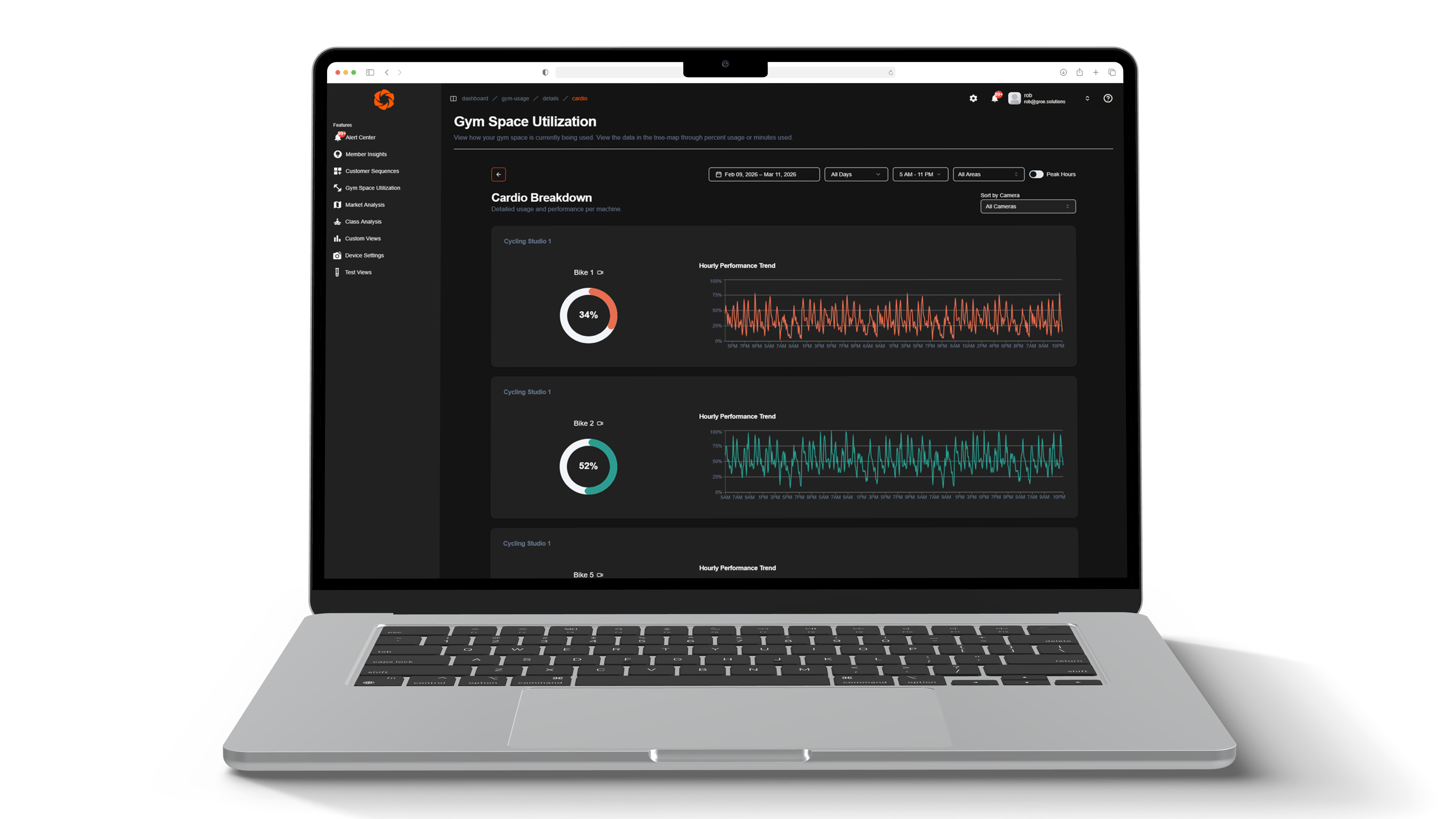
Before rearranging equipment, review how gym space utilization data can reveal overloaded and underused zones.
Research shows that members in well-designed gyms:
- Experience 40% less frustration during peak hours
- Complete workouts 15-20% faster due to better flow
- Report 30% higher satisfaction with their gym experience
- Are 25% more likely to renew their memberships
This guide provides a data-driven approach to gym layout optimization, whether you're designing a new facility or improving an existing one.
The Science of Gym Layout: Key Principles
Principle 1: The Psychology of Space
Insight: Members make subconscious decisions about where to go based on visual cues and spatial relationships.
Application:
- Clear sightlines to popular equipment from entry points
- Logical progression from one zone to another
- Visual hierarchy that guides members naturally through the space
Principle 2: Traffic Flow Engineering
Insight: People move through spaces in predictable patterns that can be optimized.
Application:
- Main arteries (4-6 feet wide) for high-traffic areas
- Secondary pathways (3-4 feet) for equipment access
- Dead-end prevention in equipment arrangements
Principle 3: Zone-Based Design
Insight: Different workout types have different spatial and social requirements.
Application:
- Distinct zones for strength, cardio, functional training, etc.
- Appropriate spacing based on equipment use patterns
- Zone transitions that minimize cross-traffic
Step-by-Step Layout Optimization Process
Step 1: Data Collection and Analysis
Before moving any equipment, gather data on current usage patterns:
What to Measure:
- Peak hour traffic flows: Where do bottlenecks occur?
- Equipment utilization rates: Which machines are most/least popular?
- Member movement patterns: How do people navigate your space?
- Wait times: Where do lines form?
- Social spaces: Where do members naturally congregate?
Tools for Data Collection:
- Groe's live usage and movement analytics
- Time-lapse photography during peak hours
- Member surveys about layout frustrations
- Staff observations and incident reports
Step 2: Zone Identification and Definition
Divide your gym into functional zones based on equipment type and member behavior:
Essential Zones for Most Gyms:
| Zone Type | Minimum Size | Key Equipment | Traffic Flow Requirements | Special Considerations |
|---|---|---|---|---|
| Strength Training Zone | 500-800 sq ft per 100 members | Racks, benches, free weights, platforms | 4-6 ft main aisles, clear spotting space | Noise containment, floor protection, mirror placement |
| Cardio Zone | 300-500 sq ft per 100 members | Treadmills, ellipticals, bikes, rowers | 2-3 ft between machines, clear emergency access | TV sightlines, ventilation, electrical requirements |
| Functional Training Zone | 400-600 sq ft per 100 members | Turf, rigs, sleds, open space | Clear boundaries, multiple entry points | High ceilings, durable flooring, storage nearby |
| Stretching/Mobility Zone | 150-250 sq ft per 100 members | Mats, foam rollers, mobility tools | Quiet area, away from heavy traffic | Mirrors, peaceful ambiance, equipment storage |
| Social/Transition Zone | 200-300 sq ft per 100 members | Seating, water stations, check-in | Central location, welcoming flow | Branding opportunity, first impression area |
Zone Design Considerations:
- Size: Proportionate to usage demand
- Location: Logical flow from one to another
- Sightlines: Visibility from multiple angles
- Access: Multiple entry/exit points where possible
Step 3: Equipment Placement Strategy
Where you place equipment within zones matters as much as zone placement:
| Equipment Category | Optimal Placement | Minimum Spacing | Safety Considerations | Member Experience Factors |
|---|---|---|---|---|
| Cardio Machines | Facing windows/TVs, staggered arrangement | 2 ft between machines, 4 ft behind | Emergency stop access, clear sightlines | Privacy consideration, entertainment access |
| Squat Racks & Power Cages | Back-to-back or against walls with mirrors | 4 ft side clearance, 6 ft front clearance | Spotting space, plate loading area | Community feel, visibility for form checks |
| Dumbbell Racks | Central location with radial access | 3 ft front clearance, organized by weight | Return station visibility, tripping hazards | Easy navigation, quick selection |
| Cable Machines | Perimeter placement with clear work zones | 3 ft all-around, attachment storage nearby | Cable path clearance, pin selection safety | Minimal interference, easy attachment changes |
| Functional Equipment | Dedicated zone with flexible arrangement | Open space for movement, clear boundaries | Collision prevention, equipment storage | Community training space, class compatibility |
Ready to Optimize Your Gym Layout?
Step 4: Traffic Flow Optimization
Design pathways that move members efficiently through your space:
Critical Flow Rules:
- No dead ends in equipment arrangements
- Circular flow patterns where possible
- Clear signage for zone identification
- Visual cues (floor markings, color coding)
Step 5: Social and Transition Spaces
Often overlooked but critical for member experience:
Essential Social Spaces:
- Welcome area (comfortable, inviting, near entry)
- Water station congregation points
- Stretching area social configuration
- Equipment waiting areas (with seating where appropriate)
Transition Space Design:
- Buffer zones between noisy and quiet areas
- Visual transitions between different zone types
- Acoustic considerations for sound bleed
Common Layout Problems and Solutions
Technology-Enhanced Layout Optimization
Groe's Layout Analytics
Groe provides data-driven insights for layout optimization:
- Heat Mapping: Visual representation of member movement patterns
- Bottleneck Identification: Pinpoint exact locations of congestion
- Equipment Utilization Correlation: How layout affects equipment usage
- Before/After Analysis: Measure impact of layout changes
Digital Wayfinding Solutions
- App-based navigation for new members
- Digital signage showing current zone occupancy
- AR overlays for equipment location and availability
- Interactive floor plans on your website
Measuring Layout Success: Key Metrics
Track these metrics before and after layout changes:
Benchmark Goals: Aim for 25-30% improvement in flow efficiency and 20% increase in member satisfaction scores related to facility layout.
Future Trends in Gym Layout Design
Emerging Layout Concepts:
- Adaptive Spaces: Layouts that change based on time of day or usage patterns
- Micro-Zoning: Smaller, more specialized areas within traditional zones
- Outdoor Integration: Seamless flow between indoor and outdoor training areas
- Wellness Ecosystems: Integrated spaces for recovery, nutrition, and mental wellness
- Technology-Integrated Design: Built-in digital experiences throughout the facility
Sustainability Considerations:
- Energy-efficient equipment placement
- Natural light optimization
- Sustainable material selection
- Waste reduction through smart design
Conclusion: Layout as Experience Design
Optimizing your gym layout isn't just about moving equipment—it's about designing experiences. Every square foot of your facility should serve a purpose, whether that's facilitating efficient workouts, fostering community, or reducing member frustration.
The best gym layouts:
- Feel intuitive to navigate, even for first-time visitors
- Support different workout styles without conflict
- Adapt to changing usage patterns over time
- Communicate your brand values through design choices
- Make members feel valued through thoughtful space planning
Remember: Your members don't just use your gym—they experience it. And that experience begins with how they move through your space.
Ready to optimize your gym layout? Start with data, proceed with member-centered design, and measure everything. The result will be a facility that works as hard for your members as they work in it.
Need help with layout optimization? Explore gym design solutions